The Future of Cybersecurity: Innovations Enterprises Should Watch
Emerging Technologies in Cybersecurity
As technology advances, so do the techniques employed by cybercriminals. To combat these evolving threats, enterprises must stay ahead by leveraging cutting-edge cybersecurity innovations. Among the most promising technologies are artificial intelligence (AI) and machine learning (ML), which offer proactive threat detection and response capabilities.
AI-driven systems can analyze vast amounts of data to identify anomalies and potential threats with remarkable accuracy. These systems learn from past incidents to predict and prevent future attacks, making them invaluable in safeguarding sensitive information.
Blockchain for Enhanced Security
Blockchain technology is gaining traction beyond cryptocurrencies, offering robust security solutions for enterprises. Its decentralized nature ensures data integrity and transparency, making it difficult for unauthorized users to alter information. By implementing blockchain, businesses can secure transactions, protect data, and enhance overall trust.
Moreover, blockchain can be integrated with smart contracts, automating processes and ensuring compliance with security protocols. This innovation is particularly beneficial for sectors handling sensitive data, such as finance and healthcare.

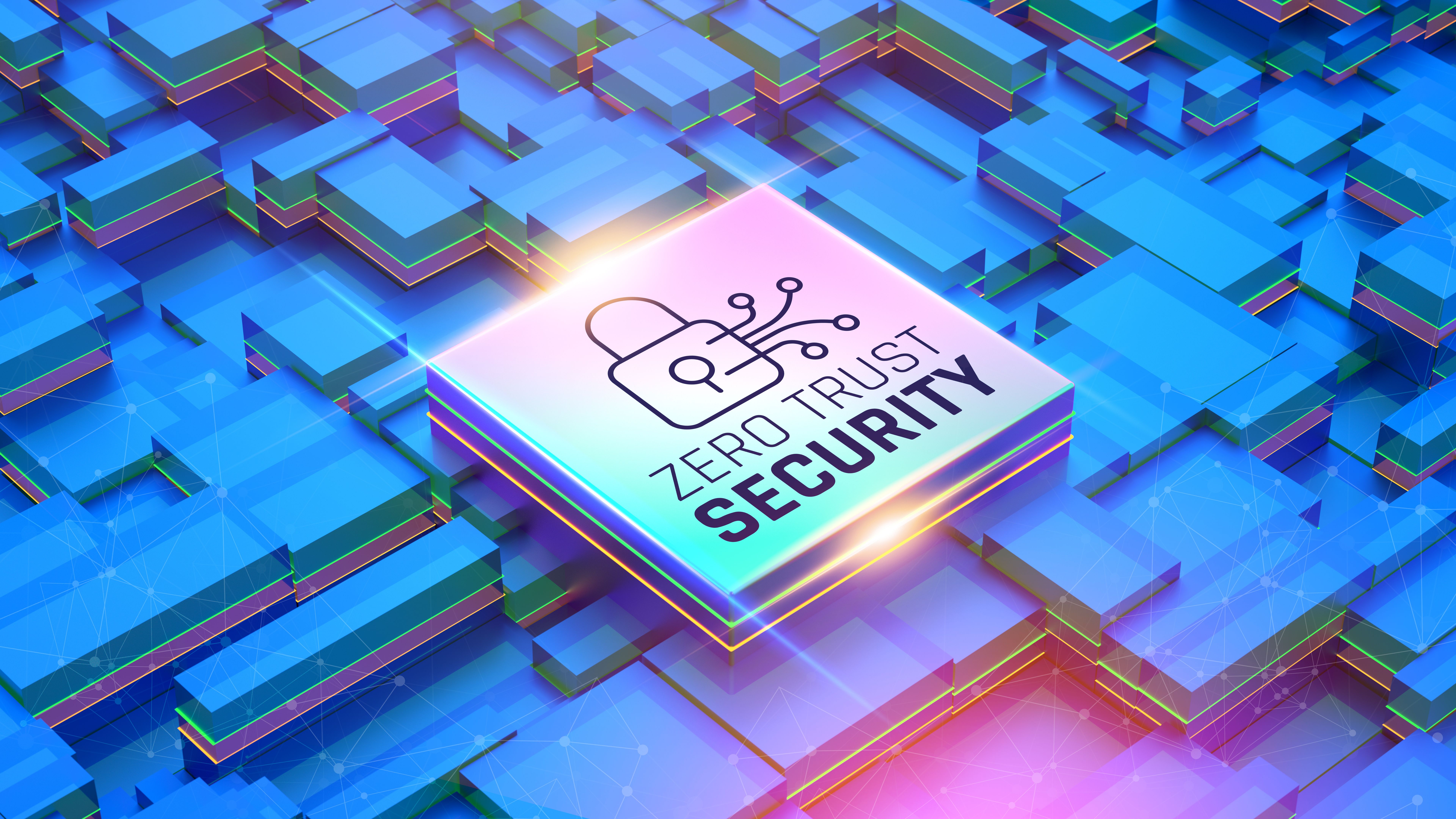
The Rise of Zero Trust Architecture
Traditional security models often rely on perimeter defenses, but with the rise of remote work and cloud computing, these approaches have become less effective. Enter Zero Trust Architecture—a security model that assumes potential threats both inside and outside the network, requiring strict identity verification for every access attempt.
Zero Trust eliminates implicit trust, enforcing access controls and continuous monitoring. This approach significantly reduces the risk of breaches and ensures data protection even in a distributed workforce environment.
Quantum Computing and Its Implications
Quantum computing, though still in its nascent stages, holds the potential to revolutionize cybersecurity. Its unparalleled processing power could break traditional encryption methods, prompting the need for quantum-resistant algorithms. Enterprises must prepare for this shift by exploring quantum-safe security measures.
The development of quantum-safe encryption is crucial to protect data against future threats, ensuring that sensitive information remains secure even as quantum technology evolves.
Biometric Authentication: A New Standard
Biometric authentication is becoming a standard security measure, offering a more secure and convenient alternative to passwords. By using unique biological traits such as fingerprints, facial recognition, or iris scans, enterprises can enhance access control and reduce the risk of unauthorized access.
This technology not only improves security but also streamlines user experiences, making it an attractive option for businesses aiming to protect user data while maintaining convenience.
As cybersecurity threats continue to evolve, staying informed about these innovations is crucial for enterprises striving to protect their digital assets. By embracing these technologies, businesses can enhance their defenses and safeguard their future in an increasingly digital world.