
The Future of Remote Work Technology Solutions in Connecticut
Introduction to Remote Work Technology
As remote work continues to evolve, businesses in Connecticut are increasingly relying on advanced technology solutions to facilitate seamless operations. The shift towards a more flexible work environment has accelerated, and organizations are embracing innovative tools to ensure productivity and connectivity.

Cloud-Based Solutions
Cloud computing has become an essential component of remote work strategies. By enabling employees to access data and applications from anywhere, cloud solutions ensure that teams remain productive regardless of their location. Companies in Connecticut are leveraging cloud platforms to enhance collaboration and streamline workflows.
Popular cloud services include Google Workspace and Microsoft 365, which offer a range of tools for communication, document sharing, and project management. These platforms allow teams to work in real-time, fostering a more integrated and efficient work process.
Collaboration and Communication Tools
Effective communication is crucial for remote work success. Tools like Slack, Zoom, and Microsoft Teams have become staples in Connecticut's remote work environment. These platforms provide video conferencing, instant messaging, and file sharing capabilities, keeping teams connected and engaged.

Moreover, the integration of artificial intelligence in these tools is enhancing user experience by providing features such as automated meeting notes and real-time language translation, further bridging communication gaps.
Cybersecurity Measures
With the rise of remote work, cybersecurity has become a top priority. Companies are investing in robust security measures to protect sensitive data. Solutions such as VPNs, multi-factor authentication, and end-to-end encryption are being widely adopted across Connecticut businesses.
Implementing these measures ensures that employees can work securely from home, minimizing the risk of data breaches and cyber threats.
Virtual Reality and Augmented Reality
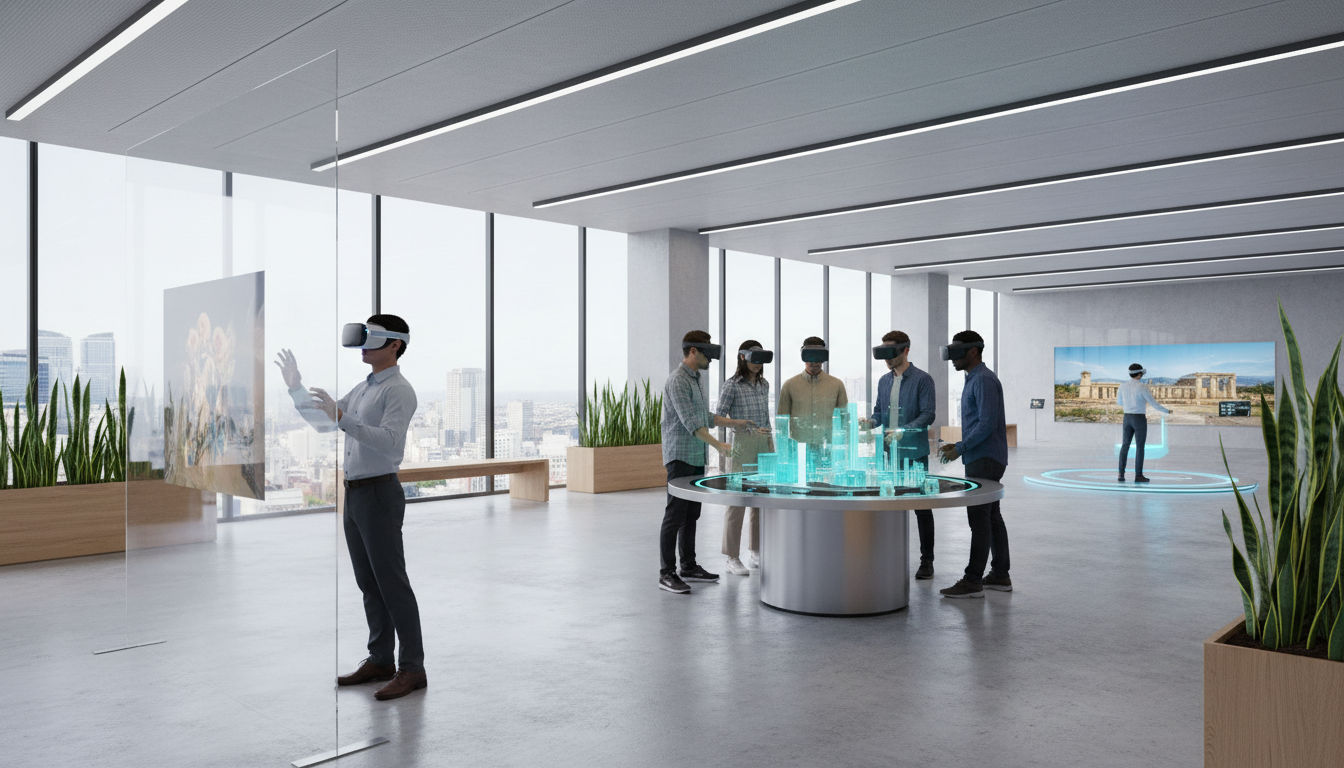
Virtual Reality (VR) and Augmented Reality (AR) are emerging as transformative tools in the remote work landscape. These technologies offer immersive experiences that can enhance training and collaboration. In Connecticut, companies are beginning to explore VR and AR for virtual meetings, onboarding, and team-building exercises.
Future Trends and Innovations
The future of remote work technology in Connecticut looks promising, with continuous advancements on the horizon. The integration of AI and machine learning is set to revolutionize how remote teams operate, offering predictive analytics and intelligent automation to optimize productivity.
Additionally, as 5G technology becomes more widespread, it will provide faster and more reliable internet connections, enabling smoother remote work experiences.
Conclusion
As the remote work culture continues to thrive, technology solutions will play an increasingly vital role in shaping the future of work in Connecticut. By embracing these innovations, businesses can create more adaptable and resilient work environments, ready to meet the challenges of tomorrow.